
Zero trust explained in plain language
The old security model trusted anyone inside the office network. Today staff work from homes, cafes and cloud services, so that boundary has largely disappeared. Zero trust is the response to that change.
The core idea
Never trust by default, always verify. Every request is checked using who is asking, the health of their device, what they are trying to reach and how unusual the request looks, whether it comes from inside or outside.
It is an approach, not a product
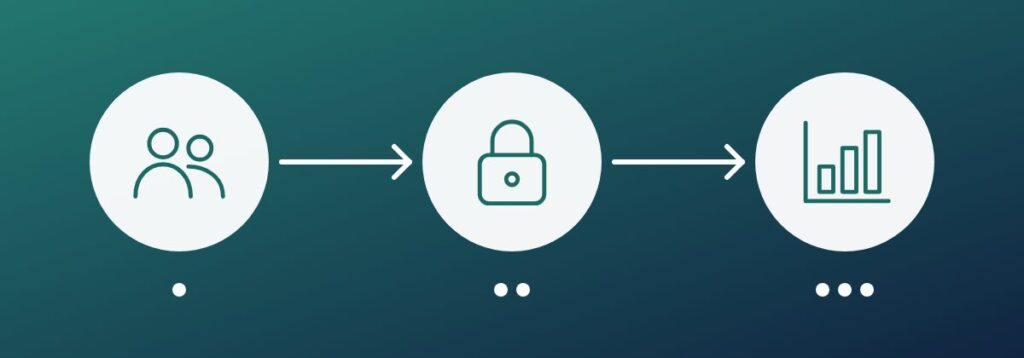
No single tool delivers zero trust. It is built from smaller steps that work together, and you can adopt them gradually.
- Strong identity with multi-factor authentication for every user
- Least privilege, so people reach only what their job needs
- Device checks before access to sensitive systems
- Network segmentation so one breach cannot spread everywhere
- Continuous monitoring and quick revocation of access
Where to begin
Map your most valuable data and who really needs it. Fix identity and access for those systems first, then expand. Measure progress by how much a single stolen password could do, and keep shrinking that number.
Key takeaway: limit what any one account or device can reach, and verify every time.