Using AI assistants safely at work
AI assistants can draft emails, summarize documents and speed up research, and many employees already use them. Without guidance, though, they can also expose sensitive data or produce confident mistakes.
Decide what data is allowed
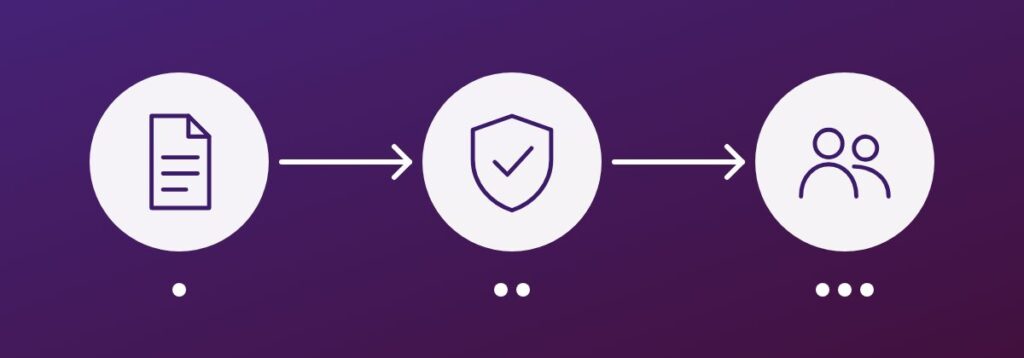
Write a clear policy. Customer records, passwords, financial data and proprietary source code should not be pasted into public tools. Explain which approved tools are available and what each may be used for.
Verify before you rely
AI systems can state wrong information fluently. Check facts, figures and references against trusted sources, and review any generated code for security flaws before using it.
- Prefer business plans that offer data controls and clear retention terms
- Keep a named person accountable for every final output
- Label AI-assisted content where your industry or clients expect it
- Review vendor terms on how your inputs may be used
Train and revisit
Short practical training helps staff use these tools well. The technology and the rules around it change quickly, so review your policy at least twice a year and collect real examples of what works.
Key takeaway: AI is a powerful assistant, but people remain responsible for data and decisions.