Edge computing: processing data closer to where it is created
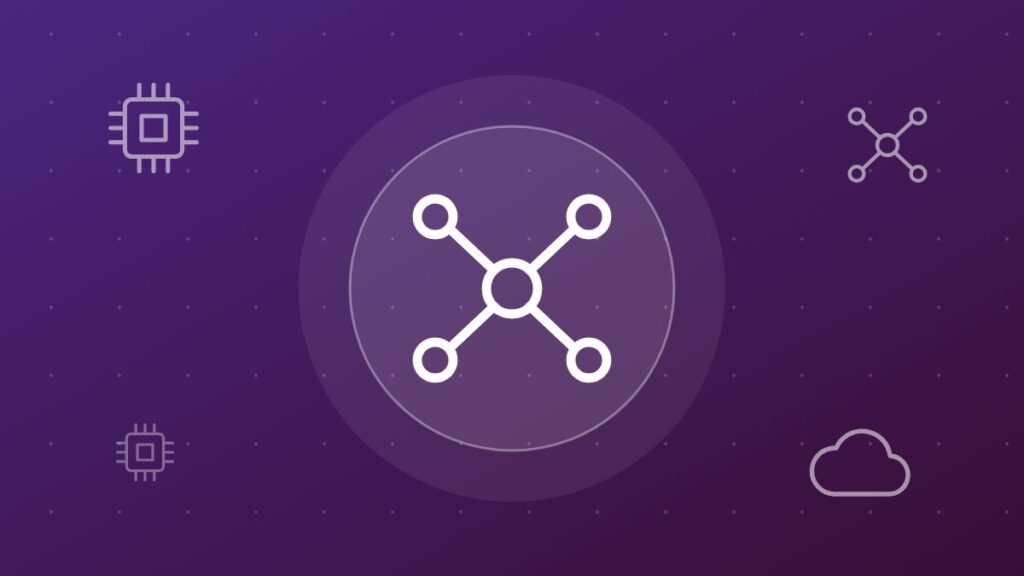
Sending all data to a distant data center is not always fast or affordable. Edge computing moves processing closer to where data is created, such as stores, factories and vehicles.
Why the edge matters
Processing nearby reduces delay, saves bandwidth and lets systems keep working when the connection is weak. Typical uses include video analysis in retail, quality checks on a production line and local control of equipment that cannot wait for a round trip to the cloud.
The trade-offs
More devices in more places means more to manage and secure. An unmanaged sensor box in a warehouse is easier to tamper with than a server in a locked room.
- Encrypt data on devices and while it travels
- Manage updates remotely and automatically
- Give each device its own identity and only the access it needs
- Plan for physical protection and theft
Edge and cloud together
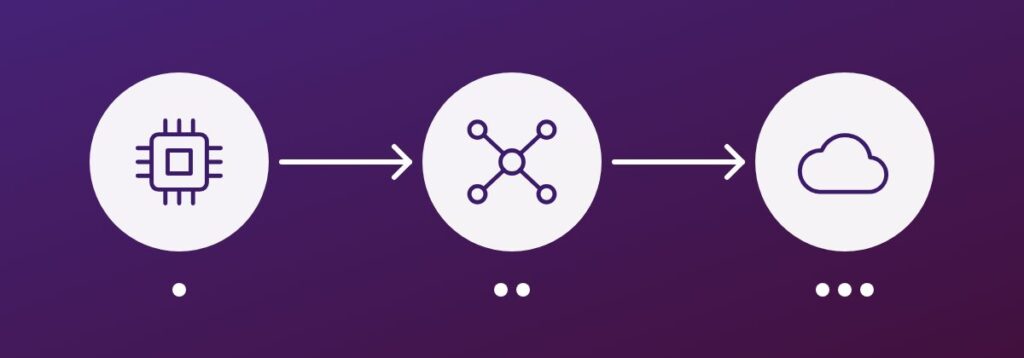
Edge rarely replaces the cloud. A common design processes urgent data locally and sends summaries to the cloud for storage, reporting and model training. Start with one clear use case and measure the benefit before expanding.
Key takeaway: use the edge where speed or connectivity demands it, and secure every device.