
Passkeys vs passwords: what businesses should know
Passwords are hard to remember, easy to reuse and simple to steal. Passkeys are a newer sign-in method designed to fix those weaknesses, and many major services already support them.
How passkeys work
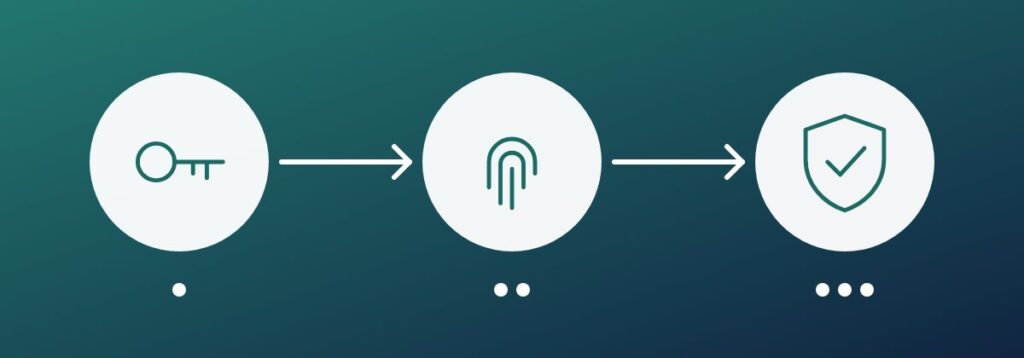
A passkey is a pair of cryptographic keys. The private key stays on your device, protected by your fingerprint, face or screen lock, and the service holds only the public key. Because there is no shared secret to type, there is nothing for a fake website to capture.
Why businesses should care
Phishing and credential stuffing depend on stolen passwords. Passkeys are tied to the real website address, so they will not work on a lookalike page. They can also reduce password reset requests, which saves support time.
- Enable passkeys alongside passwords first, then retire passwords gradually
- Let staff register more than one device
- Secure the account recovery process, since attackers target it next
- Keep a hardware key for administrators and critical accounts
Planning the rollout
Start with a pilot group, document the sign-in steps and train staff on what to do when they lose a phone. Review which of your own applications can accept passkeys through your identity provider.
Key takeaway: passkeys remove the password that attackers rely on, but plan account recovery carefully.