Cybersecurity Practices That Help Reduce Everyday Business Risk

Cybersecurity is a continuous process of identifying, prioritising and reducing digital risks. Organisations and individuals benefit from practical controls that are consistently maintained.
The right approach depends on the organisation, its systems and the impact of disruption. Start with a documented baseline, assign ownership, and review the controls regularly rather than relying on a one-off implementation.
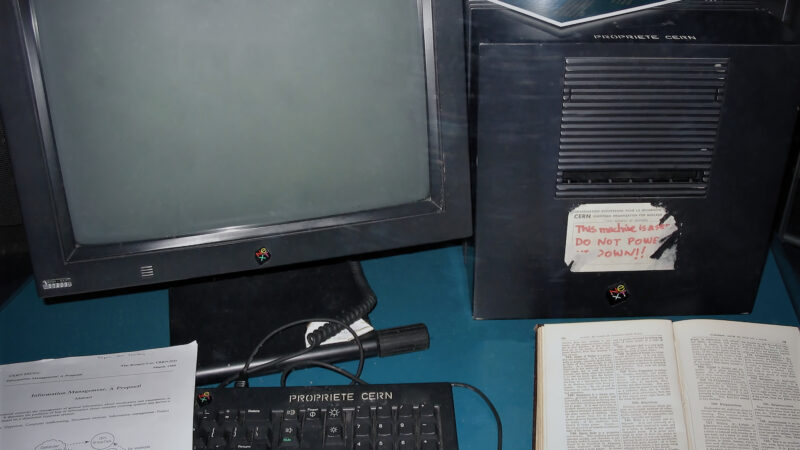
Image: Cybersecurity Visuals Challenge 2019 – Rebecca Wang.jpg — Rebecca Wang (CC BY 4.0) — source and licence
Key areas to focus on
Threat modelling and asset visibility
Identify important systems, data flows and likely attack paths. Use this inventory to prioritise protection and make risk decisions explicit.
Multi-factor authentication and least privilege
Require multi-factor authentication where possible, remove unused accounts and grant only the access needed for each role.
Patching, monitoring and incident response
Apply security updates through a controlled process, collect useful logs and define who will investigate and escalate suspicious activity.
Backups and recovery testing
Keep protected backups and regularly test restoration so recovery assumptions are supported by evidence.
A practical implementation checklist
- Document the current environment and the most important risks.
- Choose an owner and a realistic completion date for each action.
- Test the control and retain evidence of the result.
- Review exceptions, incidents and lessons learned on a regular schedule.
Common mistakes to avoid
Avoid assuming that a tool alone solves the problem. Unreviewed alerts, undocumented changes, excessive permissions and untested recovery plans can weaken otherwise good technology investments. Keep procedures understandable and make sure people know how to follow them.
Conclusion
Good IT practice combines appropriate technology with clear ownership, user awareness and regular verification. Begin with the highest-impact gaps, track progress and improve the process as requirements change.
Editorial note: This article is general information. Verify technical details against your own environment and current vendor documentation before making operational changes.