Why code reviews are your cheapest security control
Security reviews often sound expensive, but one of the best controls is already part of normal development: asking a colleague to read your change before it ships. A good code review catches mistakes that tests miss and spreads knowledge across the team.
What reviewers should look for
Focus on how data enters and leaves the code. Unvalidated input, database queries built from strings, secrets committed to the repository, missing permission checks and overly detailed error messages are common sources of vulnerabilities.
Keep reviews small and regular
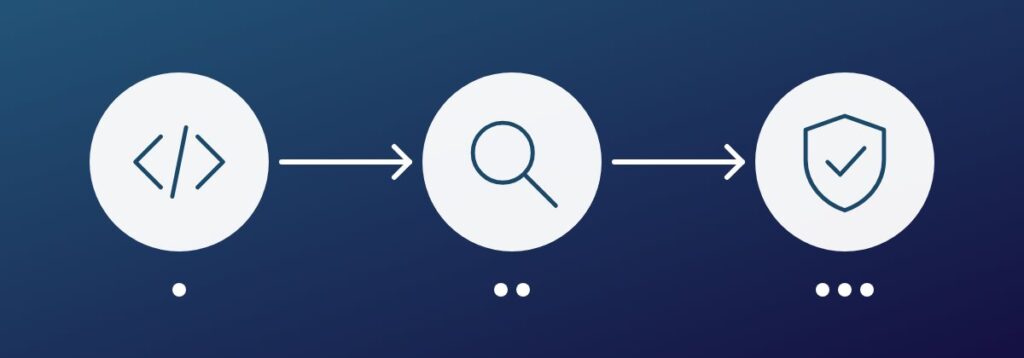
Large changes hide problems. Aim for focused submissions that a reviewer can read in under half an hour, and agree a quick turnaround so reviews never become a bottleneck.
- Use a short checklist for authentication, input handling and logging
- Run linters, tests and dependency scanners automatically first
- Require at least one approval before merging to the main branch
- Never approve what you do not understand; ask questions instead
Build a learning culture
Reviews work best when comments are kind, specific and explain the why. Juniors learn faster and seniors catch blind spots. Over time the checklist grows from real findings, which makes every review sharper.
Key takeaway: small, regular, well-supported code reviews prevent more security problems than most tools alone.