Realistic Nearness: How XR Bridges Reality and Virtuality
Augmented, mixed and virtual reality are closing the gap between the physical and digital worlds. This explainer covers how 'realistic nearness' works, today's devices, real business uses in Nigeria and beyond, and the risks to plan for.

In this article
- Key takeaways
- The reality-virtuality continuum explained
- Augmented reality (AR)
- Augmented virtuality (AV)
- Virtual reality (VR)
- Three dimensions of realism
- How realistic nearness works
- Presence: place and plausibility
- Occlusion and spatial anchoring
- Passthrough, tracking and sensors
- AI as the new bridge
- Today’s XR devices at a glance
- Headsets
- Display glasses
- Standalone AR glasses
- Where XR is already useful
- Training and simulation
- Real estate and construction
- Energy and remote inspection
- Digital twins and remote assistance
- Risks and limits to plan for
- Privacy and data
- Security
- Cost and practicality
- Comfort and inclusion
- Blurred lines
- How to evaluate an XR solution before you buy
- Frequently asked questions
- What is the difference between AR, VR and mixed reality?
- Do I need an expensive headset to start?
- Is XR useful for small businesses?
- Next steps
- Sources
For most of computing history, the digital world lived behind a flat screen. Extended reality, or XR, the umbrella term for augmented, mixed and virtual reality, is changing that by placing digital content in the space around us and, in some cases, placing us inside digital spaces. The goal is what we can call realistic nearness: the feeling that a virtual object, place or person is really here with you. This explainer is for business leaders, educators, IT teams and curious readers who want to understand how XR bridges reality and virtuality, what the technology can do today, and where its limits and risks lie.
Key takeaways
- Reality and virtuality are not two separate worlds but ends of a continuum, a model first described by researchers Paul Milgram and Fumio Kishino in 1994.
- Realistic nearness depends on presence: the sense of being in a place and the sense that what happens there is plausible.
- Mixed reality adds occlusion and spatial anchoring, so digital objects can hide behind real ones and stay fixed in place.
- Current headsets, such as Samsung’s Galaxy XR and Apple’s Vision Pro, use high-resolution passthrough, eye tracking and hand tracking to blend the two worlds.
- Nigerian firms are already using VR for training, real estate and energy, but cost, privacy and content remain real constraints.
The reality-virtuality continuum explained
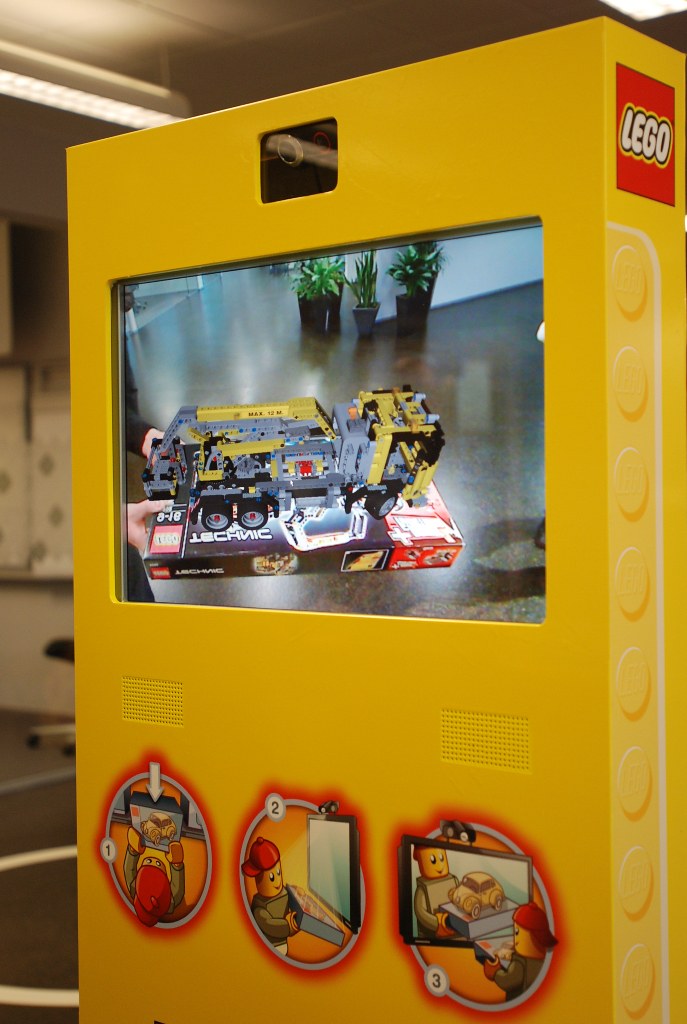
In their 1994 paper on mixed reality displays, Milgram and Kishino proposed that environments sit on a line running from the completely real to the completely virtual. Everything in between is mixed reality, where real and virtual objects appear together.
Augmented reality (AR)
AR starts with the real world and adds computer-generated objects to it. Think of navigation arrows on a live camera view, or a virtual sofa placed in your sitting room through a phone app.
Augmented virtuality (AV)
AV is the reverse: a mostly computer-generated world with real elements brought in, such as a live video feed of a colleague inside a virtual meeting room.
Virtual reality (VR)
At the far end, VR replaces your surroundings entirely with a digital environment, usually through a headset that blocks out the room.
Three dimensions of realism
Milgram and Kishino described three factors that determine where a system sits and how convincing it feels: how much the system knows about the real world and the viewer’s position, how faithfully it reproduces objects, and how strongly it creates a sense of presence. These remain a useful way to judge any XR product today.
How realistic nearness works
Presence: place and plausibility
Researchers describe two main ingredients of presence in immersive systems. Place illusion is the feeling of being in a location. Plausibility illusion is the feeling that events there are really happening. A 2021 study in Frontiers in Virtual Reality noted that mixed reality complicates this because real and virtual spatial cues are blended, so lessons from pure VR do not always transfer neatly.
Occlusion and spatial anchoring
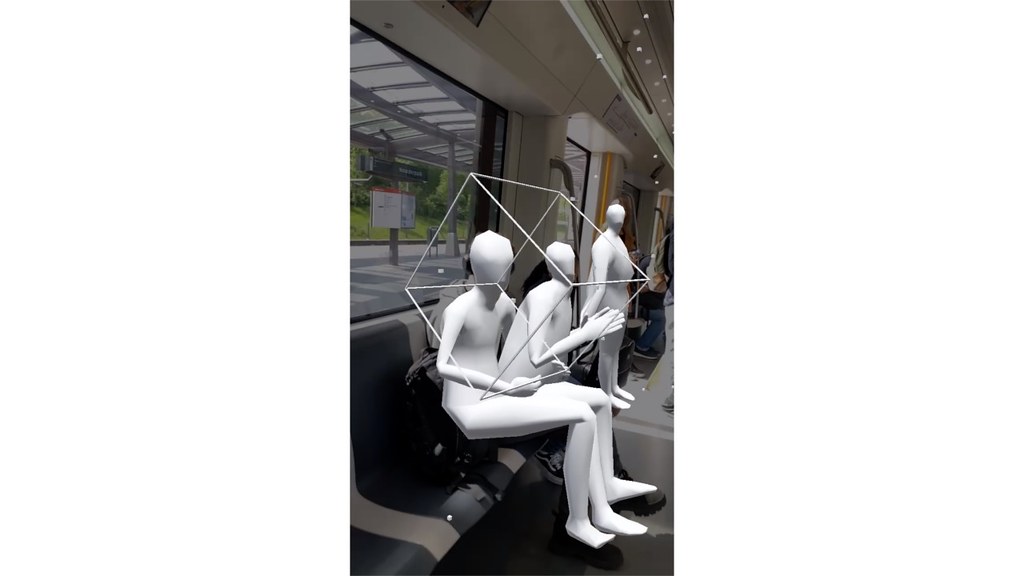
Two technical features make mixed reality feel close and solid. Occlusion lets a virtual object appear behind a real table or person, as it would in life. Spatial anchoring keeps digital content fixed to a real location as you walk around it, so a virtual machine stays on the factory floor where you placed it.
Passthrough, tracking and sensors
Modern headsets use outward-facing cameras to show you the real room on internal screens, known as passthrough, and then overlay digital content. Samsung’s Galaxy XR, launched in the US on 21 October 2025, illustrates how much sensing this requires: Android Authority lists two high-resolution passthrough cameras, six world-facing tracking cameras, four eye-tracking cameras, a depth sensor and multiple motion sensors, alongside micro-OLED displays of 3,552 by 3,840 pixels per eye.
AI as the new bridge
AI assistants are now built into XR platforms. On Galaxy XR, Google’s Gemini can answer questions about what you are looking at, and a feature called Circle to Search works in passthrough mode, letting you circle a real object with your hand to look it up. Google Photos can also add depth to ordinary 2D photos. This is a practical example of the digital layer understanding the physical one.
Today’s XR devices at a glance
The device landscape in 2026, as summarised by FrameSixty and Android Authority, falls into three groups.
Headsets
- Samsung Galaxy XR (Android XR): launched at US$1,799.99, weighs 545g plus an external battery.
- Apple Vision Pro (visionOS): listed at US$3,499 with an M5 chip, aimed at professional and media use, with high-resolution passthrough and eye and hand tracking.
- Meta Quest 3: listed at US$499, gaming-first and the volume leader.
- Enterprise devices such as Microsoft HoloLens 2 and Varjo XR-4 for industrial and high-fidelity simulation work.
Display glasses
Tethered glasses from makers such as XREAL, Viture and RayNeo connect to a phone or laptop and show a large virtual screen. They are lighter and cheaper than headsets but offer less interaction with the real world.
Standalone AR glasses
FrameSixty reports that untethered AR glasses with world-facing cameras and anchored content, including models from XREAL with Google and from Snap, were expected in late 2026. These are the devices most likely to bring realistic nearness into everyday life, because people can wear them in public.
Where XR is already useful
Training and simulation
Staff can rehearse dangerous or expensive tasks safely. In Nigeria, Insightful3d Studio told Techeconomy in 2025 that firms use VR to onboard engineers at power plants, prepare managers for leadership roles and train medical teams for emergencies.
Real estate and construction
Buyers and investors can tour properties before construction starts. According to the same report, Nigerian developers use this to shorten sales cycles and catch design errors early.
Energy and remote inspection
High-fidelity models of pipelines, refineries and offshore platforms let regulators and investors inspect assets remotely, cutting travel and downtime, a use case with obvious relevance to Nigeria’s oil and gas sector.
Digital twins and remote assistance
FrameSixty highlights digital twins, live 3D replicas of facilities for simulation and design review, and remote assistance, where an expert annotates a technician’s live view during repairs. It also cites PwC UK research documenting 1,550 public enterprise XR use cases, with engineering and manufacturing leading adoption.
Risks and limits to plan for
Privacy and data
Realistic nearness depends on sensors that continuously map your room, track your hands and watch your eyes. Galaxy XR even uses iris recognition to unlock the device. Organisations should ask where this data is stored, who can access it, and how it is covered under data protection rules such as Nigeria’s Data Protection Act.
Security
Headsets are computers with cameras and microphones. They need updates, device management and strong account security, just like laptops and phones. Shared headsets in training rooms should be reset between users.
Cost and practicality
Premium headsets remain expensive for many African businesses, and battery life is limited; Android Authority reports up to about two hours of general use for Galaxy XR. Factor in accessories, content development and staff time, not just the device price.
Comfort and inclusion
Weight, fit and lighting conditions affect usability. FrameSixty advises enterprise teams to test whether hand tracking works with gloves and in poor lighting before rolling out.
Blurred lines
As virtual content becomes more realistic, it becomes easier to mislead people. The same technology that brings a remote colleague near can be used to fake one, so verification habits matter more, not less.
How to evaluate an XR solution before you buy
Milgram and Kishino’s three dimensions translate neatly into questions any buyer can ask a vendor or test during a demo.
- How well does it understand the real world? Check whether digital objects stay anchored when you walk around, and whether they hide correctly behind real furniture and people.
- How faithful is the reproduction? Look at text sharpness, colour accuracy and how real the passthrough view feels in your actual lighting, not just in a showroom.
- How strong is the sense of presence? Ask staff who try it whether they forget they are wearing a device after a few minutes, and whether the interactions feel believable.
- Does it fit your workflow? Confirm it works with the apps, file formats and device management tools you already use, and that content can be updated without the vendor every time.
A system that scores well on all four will deliver realistic nearness. One that scores poorly on any of them is likely to end up in a cupboard.
Frequently asked questions
What is the difference between AR, VR and mixed reality?
AR adds digital content to the real world, VR replaces the real world with a digital one, and mixed reality blends both so digital objects interact with real surroundings.
Do I need an expensive headset to start?
No. Phone-based AR apps and lower-cost headsets are enough to pilot training or product demos before investing in premium hardware.
Is XR useful for small businesses?
It can be, especially for property marketing, product visualisation and staff training. Start with one clear use case and measure results.
Next steps
- Identify one task where seeing something in 3D or practising safely would save money or reduce risk.
- Run a small pilot with phone-based AR or a mid-range headset before committing to large purchases.
- Ask vendors how sensor and biometric data is stored, and include headsets in your device security policy.
- Budget for content creation and training, which often cost more than hardware.
- Keep watching the arrival of standalone AR glasses, which may make realistic nearness part of daily work.
Sources
- Milgram and Kishino (1994): A Taxonomy of Mixed Reality Visual Displays
- Frontiers in Virtual Reality: Spatial Presence in Mixed Realities
- FrameSixty: Mixed Reality Products in 2026
- Android Authority: Samsung Galaxy XR launch
- Techeconomy: VR emerges as strategic tool for corporate training, real estate and energy in Nigeria
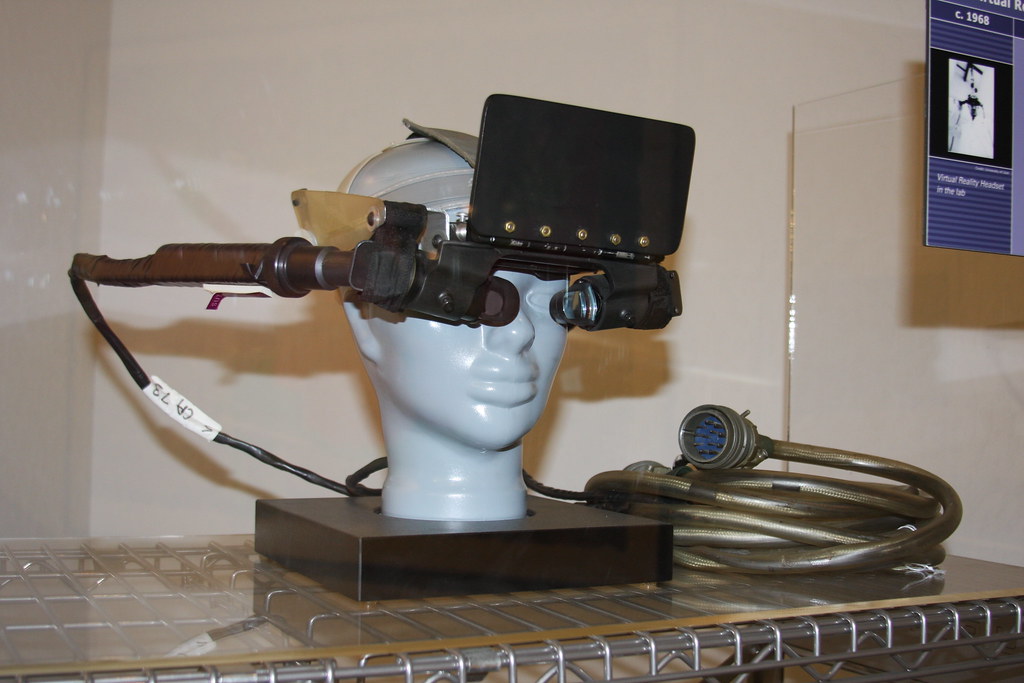
Featured image: Photo: “Virtual Reality Headset Prototype” by Pargon, CC BY 2.0, via Openverse — source
Was this article helpful?

adminVerified expert
Cybersecurity Analyst — 20 years experience
Federal Capital Territory (Abuja)
Credentials: MCPN, MNCS, IAENG | System Analyst · Web Developer · CEH · CC · CDST
Got expertise to share? Write for us →