Scam Alert: AI-Built Fake Online Stores Target Black Friday Buyers
Scammers are using AI to launch convincing fake online shops, about one every three minutes, ahead of Black Friday. Learn the warning signs and how to shop safely.

In this article
Black Friday and the end-of-year sales are coming, and so are the fake shops. A new holiday scam report shows criminals are now using AI to build complete, professional-looking online stores in hours, promote them with paid ads and disappear before victims can complain. This alert is for anyone who shops online, and for businesses whose staff buy equipment and supplies on the web.
Key takeaways
- A report from scam-checking service Scamwise says a never-before-seen fake store is reported roughly every three minutes, about 500 a day.
- Most of these stores use AI-generated content, and many reach shoppers through ads on search engines, Facebook and Instagram.
- Fake stores are short-lived: most vanish within weeks, so “check the reviews” is no longer enough.
- Never pay a store you found through an ad until you have checked who is behind it, and never share your PIN, OTP or BVN to complete a purchase.
What the new report found
On 20 October 2026, Savi Security released its 2026 Holiday Shopping Scam Report, based on checks made through its free Scamwise tool. Of more than 250,000 shopping sites submitted, over 100,000 were judged to be definitely or likely scams. The report says 74% of the scam stores used AI-generated content, and that reports of fake holiday-themed stores rose fivefold between August and October.
The figures come from the company’s own user submissions and have not been independently verified, but the pattern they describe matches what consumer protection agencies have warned about for years: scammers follow the shopping calendar.
The most targeted categories
Clothing and apparel made up about 30% of confirmed scam stores, followed by electronics (13%), tools and equipment (11%), and jewellery, watches, shoes and sneakers. Electronics fakes are especially costly, because phones, laptops and accessories are exactly what many people and small businesses plan to buy during sales.
How the scam works, step by step
- The store is built in hours. AI tools fill a website with hundreds of products, photos, size charts and even return policies, so it looks like an established retailer.
- Ads bring in buyers. The report traced at least one in five fake stores to an ad on a major platform. Search ads and Meta’s platforms together accounted for about 80% of the ad clicks it recorded.
- Trusted platforms lend credibility. More than half the scam stores sat on well-known e-commerce platforms, with Shopify-hosted shops the most common. A “Powered by” logo tells you which software runs the store, not who owns it.
- Prices and countdowns rush you. Impossible discounts and ticking timers push you to pay before thinking.
- The shop vanishes. About 40% of scam stores were less than 90 days old when checked, and the report says most were gone within two weeks. By the time you realise nothing is coming, there is no one to contact.
The danger does not end at checkout. Fake payment pages can capture card details, and fraudsters often follow up with bogus delivery texts, order confirmations and “refund” messages designed to steal more money or banking logins.
Warning signs to watch for
- A store you have never heard of that looks very polished.
- Prices far below what trusted retailers charge for the same item.
- You reached the store by tapping an ad in your feed or search results.
- A countdown timer or “only 2 left” pressure.
- A very new website with no presence outside its own pages.
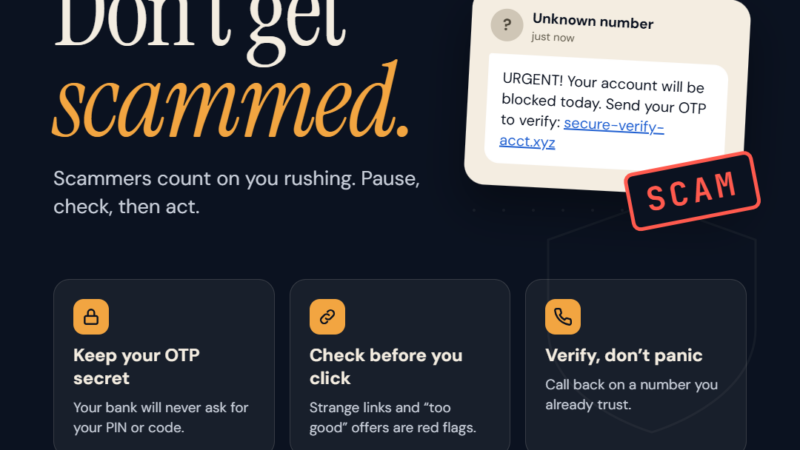
- Requests to pay by direct transfer to a personal account, or to share a PIN or OTP to “confirm” the order.
How to protect yourself and your business
Before you buy
- Search the store’s name with the words “reviews” or “scam” and look for discussion on independent sites, not just the reviews on the shop’s own page.
- Find the seller yourself. Instead of clicking an ad, type the address of a retailer you already know, or search for the product on established marketplaces.
- Compare prices with at least one trusted retailer. A deal that is too good usually is.
- Check contact details. Look for a real address, phone number and clear returns process.
When you pay
- Use payment methods that let you dispute a charge, such as a card, rather than a direct transfer to an individual.
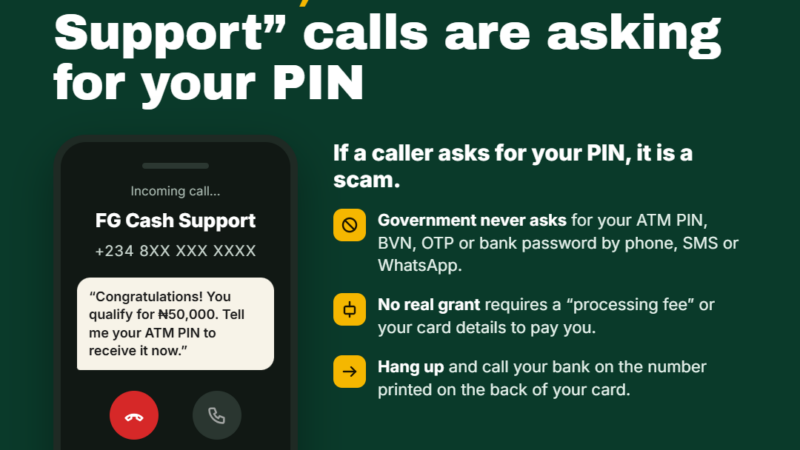
- Remember the warning from Nigeria’s bank communication professionals’ association, ACAMB: no bank will ask you to confirm your PIN, password, OTP or BVN through a link.
- If you use an AI shopping assistant, keep purchase approval switched on so it can compare options but cannot buy without you.
For businesses
- Require staff to buy equipment only from approved suppliers, and to get a second approval for new vendors.
- Share this alert with anyone who uses a company card online during the sales season.
What to do if you have been scammed
- Call your bank immediately using the number on its official app or card. Ask it to block the card and dispute the payment.
- Change passwords for any account you logged into from the fake site, and turn on two-step verification.
- Keep evidence: screenshots of the store, the ad, receipts, emails and chat messages.
- Report it to the platform that showed the ad, to the store’s hosting platform, and in Nigeria to the Federal Competition and Consumer Protection Commission (FCCPC) through its website, fccpc.gov.ng, or its official social media handles. The FCCPC has previously urged shoppers to buy only from trusted, credible platforms during Black Friday sales.
- Watch for follow-up scams such as fake “recovery agents” promising to get your money back for a fee.
What you should do
This season, slow down at checkout. Treat every new store found through an ad as unverified until you have checked it, pay with methods that offer protection, and never hand over a PIN or OTP to complete an online order. Share these steps with family and colleagues before the big sales begin.
Sources
Have you come across this scam?
Was this article helpful?

adminVerified expert
Cybersecurity Analyst — 20 years experience
Federal Capital Territory (Abuja)
Credentials: MCPN, MNCS, IAENG | System Analyst · Web Developer · CEH · CC · CDST
Got expertise to share? Write for us →