Scam Alert: Fake Detty December Hotels, Short-Lets and Tickets
Lagos consumer protection officials warn of fake hotel bookings, non-existent short-lets and bogus event tickets this festive season. Here is how the scams work and how to stay safe.

In this article
- Key takeaways
- What LASCOPA is warning about
- How the scams work, step by step
- Fake hotels and short-lets
- Fake event tickets
- The banking angle: cloned sites and fake alerts
- Warning signs to watch for
- How to protect yourself
- Before you book or buy
- For your bank details
- Advice for hotels, short-let hosts and organisers
- What to do if you are a victim
- What you should do
- Sources
This alert is for anyone planning to visit Lagos or attend events this festive season, including Nigerians coming home from abroad, and for hotels, short-let operators and event organisers who want to protect their customers and their brands. The Lagos State Consumer Protection Agency (LASCOPA) has warned visitors to watch out for fake hotel bookings, non-existent short-let apartments and bogus event tickets ahead of “Detty December”. At the same time, Nigerian banks are warning about a rise in cloned websites and fake bank messages.
Key takeaways
- Fraudsters advertise hotels and short-let apartments that do not exist, collect payment, then disappear.
- Fake event tickets and misleading hospitality adverts are also circulating, mostly on Instagram, WhatsApp and other social media.
- Red flags: prices far below the market, unverified social media adverts, and requests for full payment into a personal bank account.
- Always confirm a booking directly with the hotel or venue using contacts from its official website, and keep written receipts and confirmations.
- Report problems to LASCOPA and, for payment fraud, to your bank immediately.
What LASCOPA is warning about
In a statement reported on 20 November 2026, LASCOPA’s General Manager, Afolabi Solebo, said the agency had seen operators advertising hotels and short-let apartments that simply do not exist. Visitors pay, often in full and in advance, and then the “host” stops answering calls. The agency also flagged fake tickets for festive events and hospitality adverts that promise far more than they deliver.
LASCOPA shared one case that shows how even legitimate events can go wrong: a visitor from the diaspora paid ₦5 million to reserve a table for ten at a Detty December event, expecting imported wines, and was served table water instead. After LASCOPA stepped in, the organiser agreed to give complimentary invitations to the 2026 edition. The agency says operators who mislead consumers can face fines and suspension under the Lagos State Consumer Protection Law 2025, as amended.
How the scams work, step by step
Fake hotels and short-lets
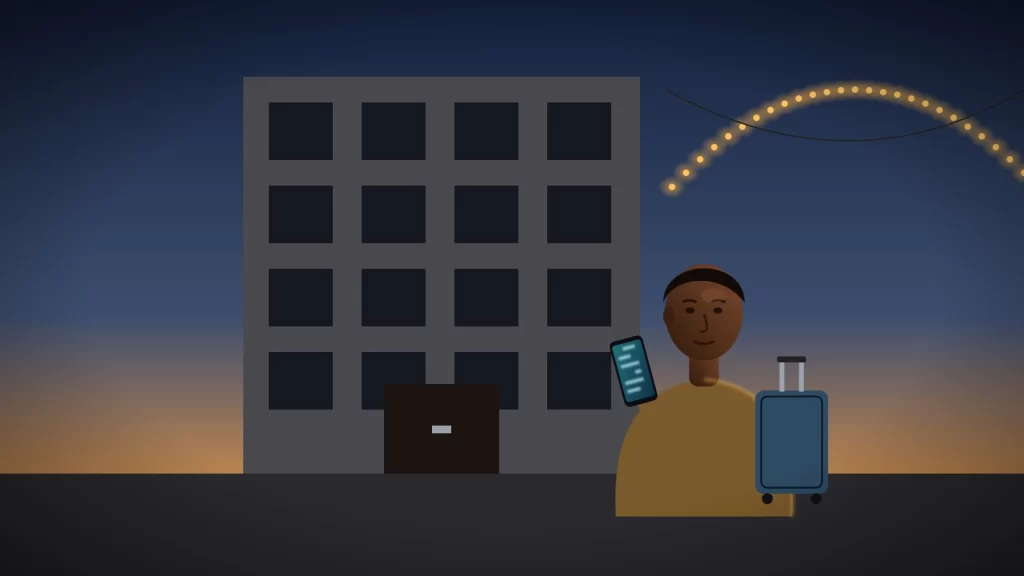
- The bait: attractive photos of a well-furnished apartment or hotel room, usually copied from a real listing, posted on Instagram or shared in WhatsApp groups.
- The hook: a price that is noticeably cheaper than similar places, plus pressure such as “only one unit left for those dates”.
- The payment: the “agent” asks for the full amount by bank transfer to a personal account, not a business account, and avoids booking platforms that offer buyer protection.
- The vanish: once the money arrives, the account blocks you, or you arrive to find the address does not exist or belongs to someone else.
Fake event tickets
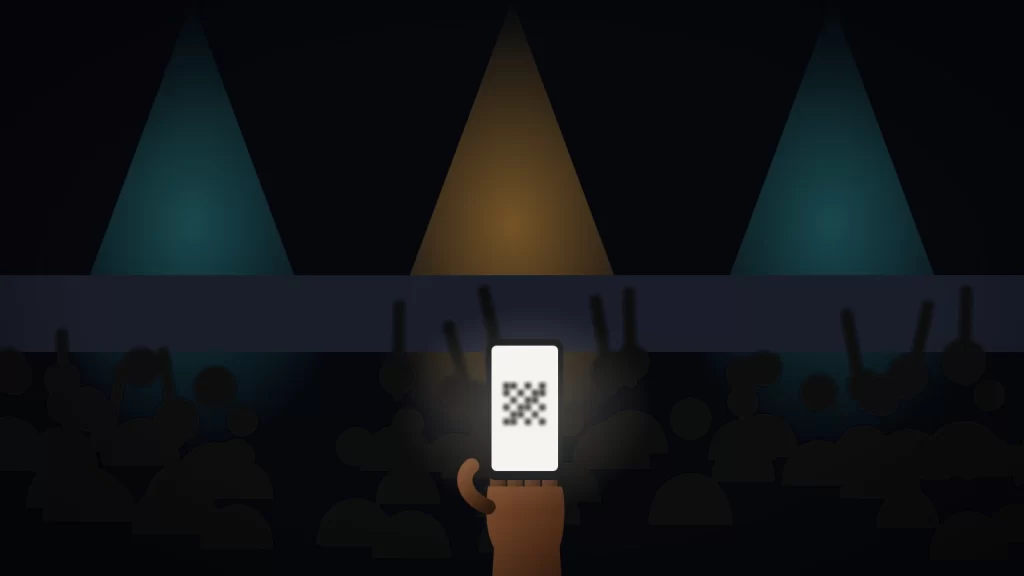
Scammers sell “VIP” or “sold-out” tickets through social media pages and direct messages, sometimes with convincing QR codes. Buyers discover at the gate that the ticket is fake or has already been used. Others pay for table packages from pages that copy a real event’s branding.
The banking angle: cloned sites and fake alerts
The festive rush also suits phishing. During its Fraud Awareness Week from 16 to 20 November 2026, United Bank for Africa (UBA) warned that fraudsters are sending fake “account restricted” or “verify your account” messages personalised with customers’ names, phone numbers and bank logos. These link to cloned websites that capture login details, card numbers, PINs and BVNs, and are sometimes followed by calls from fake bank officials urging quick action. UBA stressed that it will never ask for your PIN, password, OTP or BVN by link, text, email or phone call.
Warning signs to watch for
- The deal is much cheaper than comparable listings in the same area.
- The listing exists only on social media, with no official website, verified booking platform or physical office.
- You are asked to pay the full amount upfront into a personal account.
- The seller refuses video calls, viewings or written receipts and invoices.
- Pressure to pay “now” before someone else takes the slot.
- Messages about your bank account that contain links or ask for PINs, OTPs or your BVN.
How to protect yourself
Before you book or buy
- Use reputable booking platforms rather than relying only on Instagram or WhatsApp promotions.
- Verify independently. Call the hotel on a number from its official website, not the number in the advert, and confirm your reservation exists.
- Buy tickets from the organiser’s official channels or their named partner, and be suspicious of resellers in DMs.
- Get everything in writing: booking confirmation, invoice and receipt in a business name.
- Pay into business accounts whose name matches the hotel or event company, and avoid paying 100% upfront to individuals.
For your bank details
- Never click links in unsolicited “bank” messages. Type the bank’s address yourself or use its official app.
- Download banking apps only from official app stores.
- Confirm any unusual request through the bank’s verified contact centre.
Advice for hotels, short-let hosts and organisers
Publish your official booking channels and account names prominently on your website and social profiles, tell customers you will never ask for payment into personal accounts, and report impersonating pages quickly. This protects both your customers and your reputation.
What to do if you are a victim
- Call your bank immediately using the number on the back of your card or its official website, and ask it to attempt a recall of the transfer. UBA customers can use 07002255822 or 02012808800.
- Save evidence: screenshots of the advert, chats, account numbers, receipts and the profile link.
- Report to LASCOPA on 081 2499 3895 or 091 5389 4878, or its toll-free line 080 0005 2726 (weekdays). LASCOPA also has offices across Lagos, including Ikorodu, Badagry, Ikoyi-Obalende and Agege.
- Report the account on the platform where you saw the advert, and to the police if money was lost.
What you should do
Treat every festive booking like a large purchase. Verify the place and the seller through official channels, refuse to pay full amounts into personal accounts, and keep written proof. Share this alert with friends and family travelling home for December, because fraudsters count on excitement and rush to make people skip checks.
Sources
- MSME Africa: Lagos warns visitors against fake hotel bookings, event tickets and short-let scams
- EPA: UBA intensifies fight against phishing, scam as 2026 Fraud Awareness Week holds
- Legit.ng: Nigerian bank reveals tricks fraudsters use to empty accounts
Featured image: Photo: “Crosshairs of the Transparent Society: the hotel reception desk runs a live cam of my house!” by jurvetson, CC BY 2.0, via Openverse — source
Have you come across this scam?
Was this article helpful?

adminVerified expert
Cybersecurity Analyst
Federal Capital Territory (Abuja)
Credentials: MCPN, MNCS, IAENG | System Analyst · Web Developer · CEH · CC · CDST
Got expertise to share? Write for us →