Scam Alert: Fake UK Visa Agents and Officials Targeting Nigerians
UKVI has warned Nigerian applicants about visa fraud. Learn how fake agents, fake officials and fake UK jobs work, and how to protect your money and passport.

In this article
- Key takeaways
- The four red flags UKVI highlighted
- How the scams work, step by step
- 1. The “problem with your application” call
- 2. The fake agent
- 3. The “proof of funds” deposit
- 4. The fake UK job
- 5. Lookalike websites and emails
- Why Nigerians are being targeted
- Warning signs to watch for
- How to protect yourself
- What to do if you have been targeted
- What you should do
- Sources
Planning to study, work or travel in the UK? Fraudsters are counting on it. On 18 November 2026, UK Visas and Immigration (UKVI) used its official X account to warn Nigerian applicants about visa scams and listed four red flags to watch for. This alert explains how these scams work, the signs to look for and how to keep your money, passport and personal data safe.
Key takeaways
- No one can guarantee you a UK visa or a UK job. Anyone who promises either is a red flag.
- The Home Office never asks for money or personal details by phone, email or in person.
- Visa fees are paid online through GOV.UK or the official commercial partner’s site, never into a personal bank account.
- Using forged documents can get you refused and banned from applying for 10 years.
The four red flags UKVI highlighted
According to Legit.ng’s report of the advisory, UKVI told applicants to be wary of:
- Guaranteed visas or jobs. Agents promising automatic approval or a guaranteed UK job.
- Unverifiable appointments or services. Offers that cannot be confirmed through official government channels.
- Unexpected requests for money or information. Unsolicited calls, emails or messages demanding payment or personal details.
- Pressure and secrecy. Being pushed to pay immediately, decide quickly or keep the arrangement confidential.
How the scams work, step by step
The UK Home Office’s own guidance on fraud, tricks and scams describes several common patterns. Here is how they typically unfold.
1. The “problem with your application” call
Someone calls or emails claiming to be from the Home Office or a visa application centre. They say there is an issue with your visa, or offer an earlier appointment slot, and ask for a fee to fix it. Some even claim your visa will be cancelled unless you pay urgently. Fraudsters have also been reported approaching people outside visa application centres or visiting homes.
2. The fake agent
A so-called agent, often targeting students, promises a fast or guaranteed visa. They may offer forged bank statements, admission letters or job offers, and ask you to pay into a personal account. The Home Office warns that submitting forged documents leads to refusal and a 10-year ban.
3. The “proof of funds” deposit
Applicants for work or study visas are told to send a deposit to “prove” they can support themselves. Genuine applicants do need to show funds, but this never involves paying money to the Home Office or an agent.
4. The fake UK job
A website or social media post offers a well-paid UK job, then asks you to pay for visa sponsorship, processing or a certificate. Legitimate employers do not charge workers for visa sponsorship, and UKVI never guarantees jobs.
5. Lookalike websites and emails
Scammers build sites and email addresses that look official to collect payments and passport details. Official UK government sites end in .gov.uk, and Home Office emails end in @homeoffice.gov.uk.
Why Nigerians are being targeted
Demand for UK study and work routes from Nigeria is high, and many applicants rely on agents. That creates room for fraud. Legit.ng also cited an earlier estimate that Nigerian applicants lost about €11.5 million in non-refundable Schengen visa fees and related costs in 2025, which shows how much money flows through the visa process. The British High Commission in Kenya issued a similar warning in late 2025, describing callers impersonating visa officers and demanding payment through money transfer services, so this is a pattern across the region.
Warning signs to watch for
- A visa or job that is “guaranteed” or sounds too good to be true.
- Requests for cash, gift cards, vouchers, bank details or your passport.
- Being told to keep the contact secret or to act today.
- Email addresses that do not end in .gov.uk, or messages with poor grammar and wrong logos.
- Payment instructions pointing to a personal bank account or a mobile money wallet.
How to protect yourself
- Start every application on GOV.UK and book appointments only through GOV.UK or the official commercial partner.
- Pay fees online through those official channels only.
- Do not share personal information with an unexpected caller, even to “confirm” details they already seem to have.
- Never hand over your passport to an agent you cannot verify.
- If you use an agent or adviser, check that they are properly registered and get written terms before paying anything.
- For businesses sponsoring staff or arranging travel, appoint one person to handle visa payments and verify every request against official guidance.
What to do if you have been targeted
- Stop all contact and do not send more money, even if the scammer threatens you.
- Contact your bank immediately to try to stop or recall any transfer.
- Keep evidence: screenshots, phone numbers, account details and receipts.
- Report to the Nigeria Police Force or the EFCC. UK-based victims can use the Report Fraud service.
- Warn friends and family, especially students preparing to apply.
What you should do
Treat any visa offer that skips GOV.UK as suspicious. Check the sender’s address, refuse to pay into personal accounts, and remember there are no shortcuts to a UK visa. If someone claims there is a problem with your application, log in to your official account or contact UKVI through GOV.UK yourself rather than replying to the message.
Sources
- Legit.ng: UK warns Nigerians applying for visas, lists 4 red flags
- GOV.UK: Fraud, tricks and scams
- Kenyans.co.ke: UK issues warning over rising visa application scams
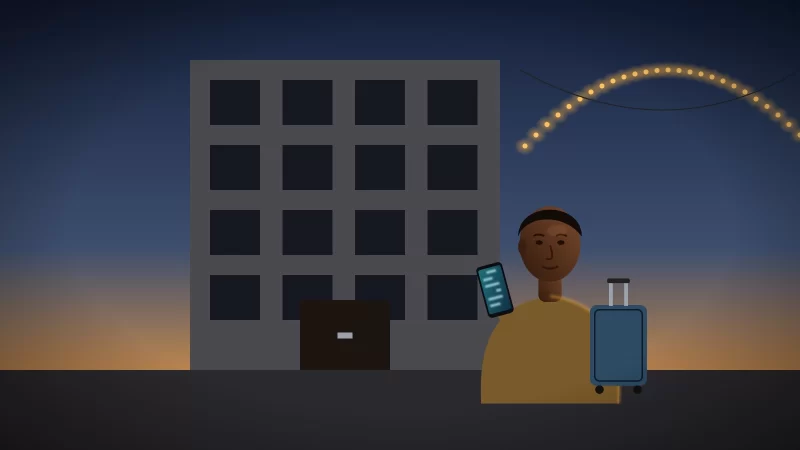
Featured image: Photo: “Suitcase” by matsuyuki, CC BY-SA 2.0, via Openverse — source
Have you come across this scam?
Was this article helpful?

adminVerified expert
Cybersecurity Analyst
Federal Capital Territory (Abuja)
Credentials: MCPN, MNCS, IAENG | System Analyst · Web Developer · CEH · CC · CDST
Got expertise to share? Write for us →